



How to Clean Your Retractable Fly Screen: Advice, Tips & Tricks
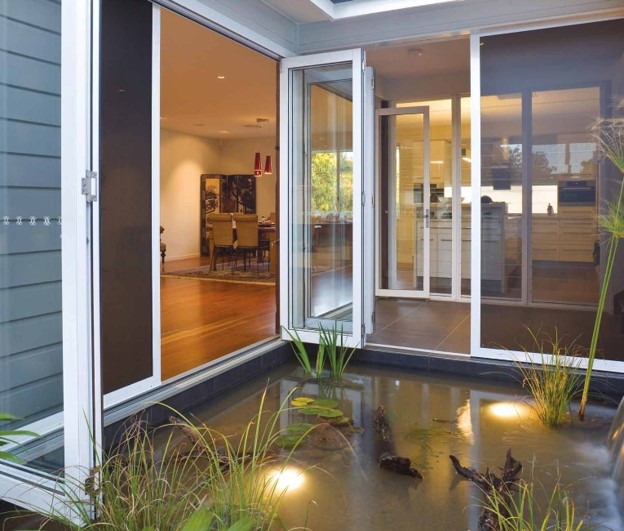
A well-maintained retractable fly screen comes with so many benefits. They’re versatile, flexible, space-saving, and a great way to keep the insects at bay. Of course, all fly screens naturally collect dust, dirt and cobwebs over time.
The good news is that cleaning is usually fairly straightforward and simple. With that in mind, we’ve created a quick guide on how to keep your retractable fly screens clean, neat, and tidy.
What You’ll Need
You don’t normally need a long list of specialist products to clean your fly screens. The mesh can be wiped down with a wet cloth to remove the layer of dust that builds up. Most importantly, our recommendation is that you do not use any chemical based products.
When it’s time for a clean, you can gather:
- Warm water
- A bucket
- Soft-bristle brush
- Chamois cloth (or “shammy”)
- Clean towel or rag
- A soft brush for removing loose dust and cobwebs
The most important thing is to use a gentle approach, as the fly screen mesh can be damaged by excessive scrubbing or pressure.
How to Clean a Retractable Fly Screen
Please note, the advice provided in this article is general. Always check the manufacturer guidelines if you are unsure.
Step 1: Tackle Loose Dust and Cobwebs
Start by removing any loose dust, dirt and cobwebs from the mesh. A soft-bristle brush, such as a dustpan brush, is suitable for this job. Gently brush across the mesh rather than pushing hard against it.
A shammy can also be used to pick up surface dust and give the screen a more thorough clean.
Step 2: Gently Clean the Mesh
It’s always best to be as careful as possible with the mesh screen. Any damage to the screen may create gaps that allow insects to get through and defeat the purpose. So, treat it gently and handle it with care.
At this stage, you can use a shammy to clean both sides, paying attention to areas where dust, dirt and cobwebs have accumulated. If the screen is particularly dirty, repeat the process rather than trying to remove everything in one go.
Step 3: Allow the Screen to Dry
Allow enough time for the screen and its frame to dry properly.
A clean towel can be used to gently remove excess moisture, but be careful using it on the mesh itself.
Allowing the screen to dry gives you a chance to check that the mesh is clean and in good condition before putting it away.
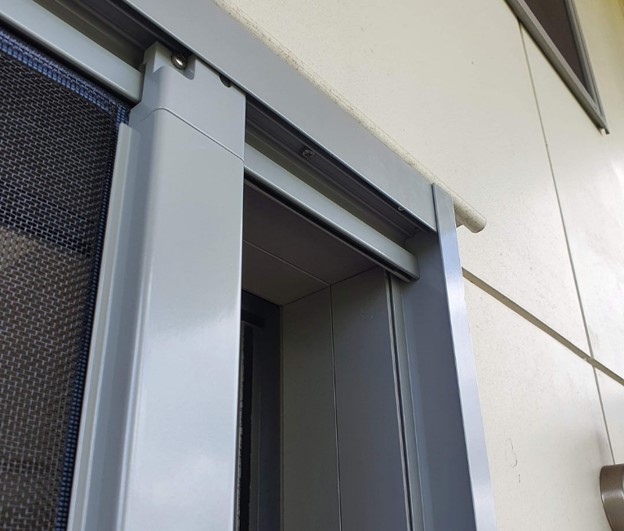
Step 4: Clean the Tracks
It’s often easy to focus on the screen and forget about the tracks.
Anything from dust to insects and hair can build up around door and window tracks, particularly in homes with pets. Removing this build-up regularly can help keep the area around your screen clean.
Use a soft brush, cloth or suitable vacuum attachment to remove loose debris before wiping the track clean. If your retractable screen is difficult to operate, don’t force it. Check the tracks for dirt or debris first. If the problem continues, it may be worth having the screen checked.
How Often Should You Clean Your Fly Screen?
For most homes, cleaning your fly screens at least once a year is a good starting point. However, when it comes to cleaning the sill, frame, and surrounding components, it’s never a bad idea to make it a part of your regular routine.
Screens will need to be checked or cleaned more frequently in some circumstances. This is particularly true if the fly screen is exposed to more dust, pollen and outdoor debris than usual, or if there are pets that add hair and dirt around screens and tracks.
It’s also a good idea to clean your window or door glass and tracks at the same time. This lets you deal with the dust, insects and hair that can accumulate around the entire opening rather than just cleaning the mesh.
Can You Hose Down a Retractable Fly Screen?
It depends on the screen and how it is installed.
A standard removable fly screen can be taken outside and gently hosed down as part of a more thorough clean. Retractable fly screens are designed to remain installed and retract into their system, so cleaning them in place with a soft brush and damp microfibre cloth is generally more appropriate.
If you’re unsure about the best way to clean your particular Ultrascreen system, contact the team for advice.
What if the Retractable Fly Screen is Difficult to Operate?
A well-made retractable fly screen shouldn’t be difficult to operate. However, cleaning is a good opportunity to check how your screen is operating. You can also use a dry silicone spray to lubricate the top and bottom tracks.
If the screen feels difficult to open, close or retract, check whether dirt, hair or other debris has built up around the tracks. Clean the area and try operating the screen again without forcing it.
All Ultrascreen products are modular and can be repaired without replacing the whole system. If it still feels stiff or doesn’t operate correctly, it’s best to get advice rather than trying to force the mechanism.
Make the Switch with Our Custom Retractable Fly Screens
A little regular maintenance can go a long way. Removing dust, dirt and cobwebs from your mesh and keeping the surrounding tracks clean can help your fly screens stay looking fresh and ready to use.
Sometimes, the best option is to start again with your very own custom retractable fly screens. At Ultrascreen, our speciality is custom-made retractable fly screens that we can match to any door or window.
We have Pleated Screens, Cassette-Style Screens and Heavy Duty Screens, with custom options designed around your home, your space, and daily needs. Screens are available with DIY or professional installation, so you can choose the option that suits your project.
Pleated Screens
Pleated Screens are our most versatile and best-selling product, loved for their slim profile and sleek design. The sheer mesh protects your home from insects and dust, then folds discretely to the frame when not in use.
- Robust components that adapt to all types of door and window frames
- Great choice for bifold, stacker, sliding and French doors
- Ideal for patio enclosures and more
- Almost seamless bottom track, free of tripping hazards
- Perfect for doorways, family areas, retirement homes, educational settings and more
Cassette-Style Screens
An innovative alternative to traditional static options, this screen comes with:
- Sophisticated frame that completely disappears when open
- Smooth, easy operation for homes and offices
- Refined design aesthetics with a choice of styles and materials
- Available with manual or chain-operated mechanisms
- Suits all types of windows, including casements and double hung
- A premium addition offering both functionality and style
Heavy Duty Screens
Heavy Duty Screens combine our signature sleek look with stronger materials and tracking systems. They are a great choice for pet households and very large opening casements.
- Stronger materials and tracking systems
- Strong, heavy-grade mesh in securely reinforced frames
- Resist wind speeds of up to 200 km per hour
- Retain their shape and keep your home comfortable
- Suitable for larger openings, including bifold and stacker doorways
- Ideal for pet households and commercial spaces
Frequently Asked Questions
How often should I clean my retractable fly screen?
For most homes, cleaning your fly screens at least once a year is a good starting point. Screens exposed to more dust, pollen or outdoor debris, or homes with pets, may need more frequent cleaning.
What is the best way to clean retractable fly screen mesh?
Remove loose dust and cobwebs with a soft brush, then gently wipe the mesh with a microfibre cloth or mitt and warm water. Avoid excessive scrubbing or pressure, which can damage the mesh.
Can I use chemical cleaning products on my retractable fly screen?
We recommend avoiding chemical-based products when cleaning your retractable fly screen. Warm water and a gentle cleaning method are generally all that is needed.
Can I hose down a retractable fly screen?
We don’t recommend this approach. Retractable fly screens are designed to remain installed, so cleaning them in place with a soft brush and damp microfibre cloth is generally more appropriate than hosing them down.
How do I clean the tracks on my retractable fly screen?
Use a soft brush, cloth or suitable vacuum attachment to remove dust, hair, insects and other debris from the tracks, then wipe them clean.
What should I do if my retractable fly screen is difficult to operate?
Don’t force the screen. Check the tracks for dirt, hair or debris and clean them before trying again. If the problem continues, contact Ultrascreen for advice. Our products are modular and can be repaired without replacing the whole system.
Does Ultrascreen make custom retractable fly screens?
Yes, we certainly do. At Ultrascreen, we specialise in custom-made retractable fly screens for every door and window. Our range includes Pleated Screens, Cassette-Style Screens and Heavy Duty Screens, with DIY or professional installation options available.
Recent Blog Posts
-
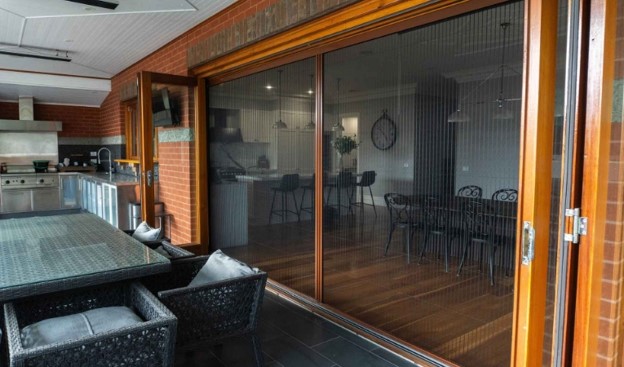 Retractable or Fixed Flyscreens: Which Wins Where?
Finding a fly screen might seem straightforward, but the right option really depends on a range of factors. As you search for a suitable option, you’re likely deciding between a fixed or a retractable screen. From here, the question is which one works best, and where. After more than 25 years installing screens across Melbourne, […]
Read More -
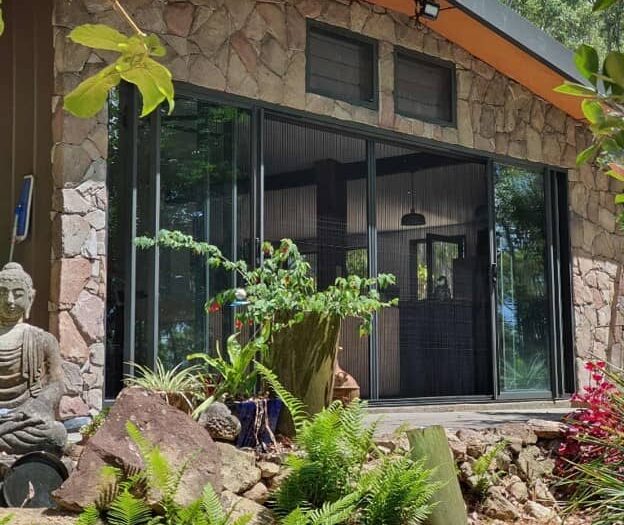 Are Retractable Fly Screens Worth It? A 25-Year Installer’s Verdict
By The Ultrascreen Team Looking to transform a door or window space? Want something that’s flexible and easy to operate? If you’re weighing up the options and wondering if retractable fly screens are worth it, we’re here to help. As an Aussie business operating for three generations, we’ve built a strong understanding of what genuinely […]
Read More -
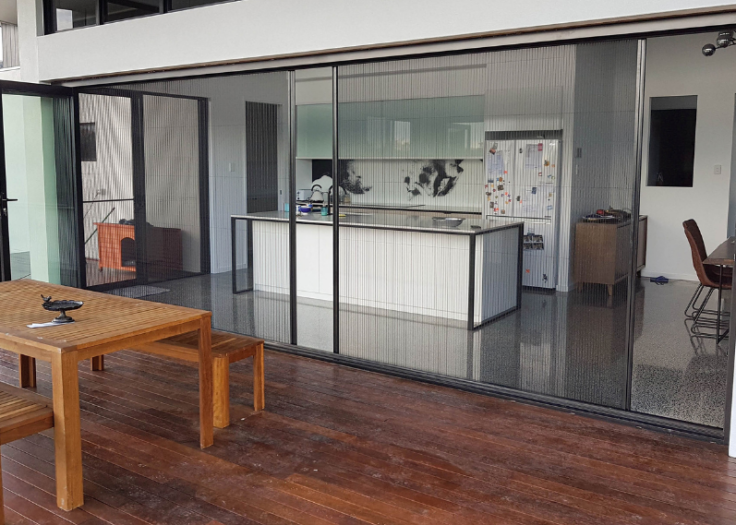 What Type of Flyscreen Is Best for Large Door Openings?
Modern Australian homes are increasingly designed around large open spaces and seamless indoor–outdoor living. Bifold doors, stacker doors, wide sliding doors and expansive alfresco openings are now common features in new builds and renovations alike. While these openings are fantastic for natural light, airflow and entertaining, they also create a challenge for homeowners: how do […]
Read More